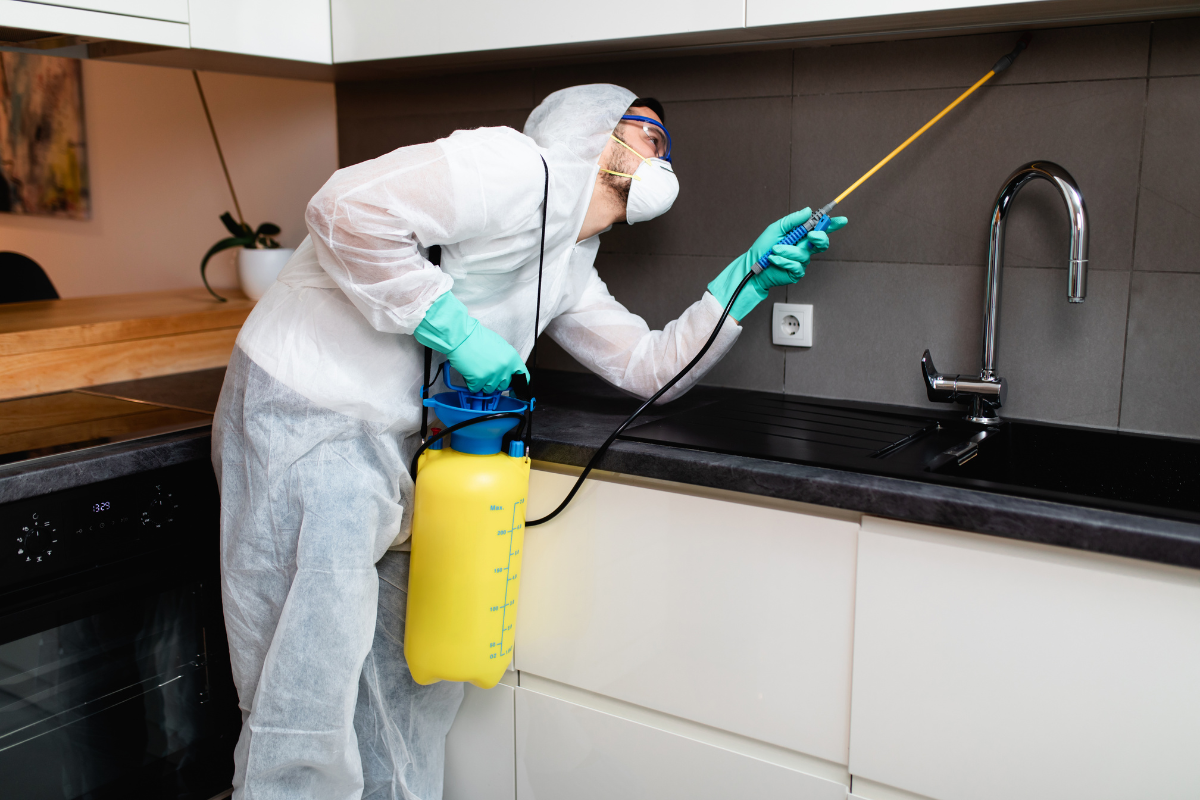

When nights cool and the lawn stops growing, pests stop roaming. They start looking for shelter, moisture, and steady food. Homes and businesses give them all three, so fall becomes the critical season to get ahead of infestations. Miss the window in September or October and you spend winter chasing noises in walls, strange smells under sinks, and a string of traps that never quite catch up. Prepare now, and most cold-weather problems never start.
I have walked through hundreds of crawlspaces and attic hatches in late autumn. The patterns repeat. A small gap under a garage side door leads to a mouse trail behind the water heater. Mulch piled against siding stays damp and breeds millipedes, which attract spiders, which move inside when the temperature dips. Boxelder bugs swarm the sun-baked south wall, then slip through dryer vent louvers that lost their spring. Each issue has a fix, and most fixes are simple if you do them before the first hard frost.
The fall movement: what pests do when temperatures drop
Not all pests behave the same as seasons shift. Rodents start exploring for entry points within hours of the first cold snap, often following foundation edges and utility lines as if they were highways. Scandinavian studies put house mouse home ranges at 30 to 60 feet indoors, yet I routinely track single-family infestations to a single entry hole no bigger than a dime. Once inside, mice breed quickly. Two become ten within a few weeks if food is consistent.
Overwintering insects behave differently. Cluster flies, brown marmorated stink bugs, Asian lady beetles, and boxelder bugs do not want your pantry; they want your warm voids. They gather on sunny exterior walls, then push into cracks around windows, soffits, and siding transitions. They settle in cavities and appear on warm winter afternoons, landing on lamps and windows. The good news: these are mostly nuisance pests, not structural or vector threats. The better news: exterior exclusion and precisely timed treatments stop them.
Moisture pests like cockroaches and silverfish concentrate around heat and humidity. I see a predictable spike in German cockroach activity in apartment buildings every October, often due to increased indoor cooking and reduced ventilation. Roaches hitchhike on cardboard more than any other source I find. That fall flurry of online orders, especially for pantry and pet supplies, becomes the delivery vector.
Termites and carpenter ants slow when soil temperatures drop, but they do not stop. In heated structures, they continue working wherever moisture problems persist. I have found subterranean termite activity at interior slab cracks in December because a leaking dishwasher kept the area damp and warm. Fall is a smart time to check the places you ignore when your patio is calling: under sinks, behind the fridge, the sill plate along the garage wall.
The logic of prevention: exclusion, sanitation, and targeted treatment
Fall pest control starts with structure, not sprays. A good pest control service will put exclusion at the top of the plan because a sealed building costs less to protect and stays protected longer. Sanitation changes are the second pillar. They reduce attractants so that even if a stray pest gets inside, it does not stay. Targeted treatment, the third pillar, is about precision. Broad-spectrum, hope-for-the-best treatments have a short shelf life. Use the right product, in the right place, at the right time, or do not use it at all.
When I audit a facility each October, I write the plan in that order. Seal and screen, then clean and re-stage, then treat selectively. Homes deserve the same discipline.
Exterior inspection that actually finds the problems
Walk your property with a flashlight and a painter’s five-in-one tool. The flashlight shows shadows where gaps hide. The tool tests wood and caulk, and pulls debris from seams. Move slow. The fall sun sits low, and glare can hide defects. Approach the building in laps.
Start at the roofline. Look for loose or missing soffit vent screens, wasp nests under rake boards, and gaps where cable or satellite mounts penetrate fascia. Gable vents often have screen tears that you only notice from the attic, but you can spot rust stains or debris caught in louver corners outside. Birds and squirrels test these openings in late fall when acorns thin out.
Shift to siding transitions. Wherever two materials meet, pests explore. I see daylight at the top of meter boxes all the time. A mouse can surf that gap right into wall cavities. Utility penetrations around gas lines, condensate drains, and cable bundles will have caulk that looks intact but pulls away with gentle pressure. If it moves, it leaks air, and if it leaks air, pests smell it.
Check doors and thresholds next. Bottom weatherstripping often curls at the ends. If you can slide a nickel under the door, a mouse can squeeze. Side garage doors suffer the most because they get less maintenance than the main overhead. On sliding glass doors, look for broken brush seals. I have found house spiders living along the brush because insects blow in during every gust.
Scan foundation perimeter. Soil that sits against siding holds moisture and invites ants and millipedes. Mulch piled higher than three inches creates perpetual damp. Wood-to-ground contact at deck posts or stair stringers is an open invitation to carpenter ants and termites. Downspouts that dump water within a foot of the foundation create gutter rivers, and those rivers carve rodent pathways along the edge.
Finally, walk the yard for harborage. Firewood against the house is a bad habit. It attracts rodents, spiders, and carpenter ants. Compost bins without tight lids become rat feeders in October, when natural seed sources drop off. Toys, overturned pots, and stacked bricks make slugs and pillbugs feel at home. None of those are catastrophic on their own, yet together they build a food web that wants to step indoors.
Sealing and screening: what to use and where it succeeds
Materials matter. I have seen homeowners spend a weekend sealing with the wrong caulk and lose the benefit by Thanksgiving. Use exterior-grade silicone or hybrid polyurethane on non-paintable gaps where you https://gunnergwsl752.cavandoragh.org/top-7-questions-to-ask-an-exterminator-before-hiring need flexibility, like around pipes. Use paintable elastomeric sealant around trim. For gaps larger than a quarter inch, backer rod gives sealant something to grip, otherwise seasonal expansion will break the bond.
Rodent points demand tougher solutions. For holes around utility penetrations, pack stainless steel wool or copper mesh into the opening, then cap with sealant so it holds. Foam alone is a temporary fix; rodents chew it. When foam makes sense, use a pest-rated closed-cell foam that resists moisture and UV, and finish the surface with a hard sealant layer. For long horizontal gaps at sill plates, a thin strip of hardware cloth stapled and mudded with sealant lasts years.
Door sweeps with integrated rubber fins seal better than bristle sweeps. On commercial doors with heavy use, I recommend aluminum threshold plates with neoprene inserts. On garage doors, check the end seals and the center seam. If you can pull the bottom gasket and see daylight, the retainer may be bent. Replace both if you see scalloping.
Screens solve a multitude of sins when they are intact. Replace any window screen with tears. Add bug screens to attic, gable, and soffit vents using galvanized hardware cloth with quarter-inch openings. Avoid smaller mesh at soffits because it chokes airflow. For dryer vents, install a louvered cover that closes fully, not a wire cage that traps lint and becomes a fire hazard. Keep a six-inch clear zone around all exhaust vents so flaps close under their own weight.
Moisture management that pays off year-round
Insects and rodents follow water lines the way hikers follow creeks. Indoors, moisture condenses where warm air meets cool surfaces, and leaks drip at slow rates that hide under insulation and clutter. Fall is the time to open the vanity you never inspect. Look for swelling particleboard, greenish copper pipe spots, and white mineral crusts around P-traps. Replace wax rings on wobbly toilets. A thirty-dollar ring prevents a moldy subfloor and the silverfish that love it.
Dehumidify basements and crawlspaces to below 55 percent relative humidity. I like models with built-in pumps so the condensate drains to a sink or sump, otherwise the bucket never gets emptied after November. In crawlspaces without vapor barriers, lay six-mil poly sheeting across the soil and overlap seams. Seal to piers with butyl tape if your local code allows. If you see condensation on HVAC ducts, insulate them. That small job stops moisture drip lines that feed mold and fungus gnats.
Outside, redirect water. Add downspout extensions so water exits at least four feet from the foundation. Regrade low spots that hold puddles near slab edges. If a French drain fails every fall, clean it or add a catch basin. Set irrigation controllers to seasonal adjust and reduce fall runtime by at least 30 percent. Lawns need less, foundations need dry soil, and rodents prefer the richest, dampest edges you create.
Kitchens, pantries, and the cardboard problem
If there is one habit I would hand out to every homeowner before fall starts, it is this: break down boxes in the garage, not in the kitchen. Online grocery and pet food deliveries often carry German cockroaches and pantry moth eggs. You do not see them, but they see pantries. Get packages into plastic bins or onto clean counters quickly, and take cardboard to recycling the same day.
Rotate pantry stock. Opened flour and rice belong in tight containers, not folded bags. Vacuum crumbs from cabinet corners. Pull the stove and sweep the heat shield. That sticky layer behind the oven is a roach magnet when the kitchen cools in January and warm appliances become hotspots.
Check pet feeding routines. If you free-feed, consider timed meals and remove leftovers. Store kibble in a lidded bin, not in the bag with a clip. I have traced winter mouse infestations to a single dog bowl in a mudroom more times than I can count.
Attics and crawlspaces: quiet places where pests gain ground
Attics tell the truth. If you see trails pressed into insulation, you have traffic. Mouse droppings on the top plates of partition walls signal highways that connect the entire house. In fall, I bait stations only in these elevated tracks, not randomly scattered. It shortens control time and reduces non-target risks. If bats use your attic, stop and call a licensed professional. Excluding bats has strict seasonal windows to protect pups, and many states regulate bat work with clear rules.
In crawlspaces, watch the sill plate. If you can push a screwdriver into the wood, you have rot or a past leak. Carpenter ants exploit soft wood, and termites follow moisture. Remove cellulose debris from the soil. Foam the rim joist for air sealing, then cap with rigid board and seal edges. Mice love the gaps along bridging and plumbing runs. Where pipes penetrate the subfloor, use a cable gland or foam and collar to close gaps tight enough that drafts disappear.
Targeted treatments and timing that save effort
A well-timed exterior treatment can stop overwintering insects before they enter. The window sits in late summer to early fall, when you first notice swarms on sunny walls. A perimeter barrier using a non-repellent residual around window frames, soffits, and siding seams creates a treated zone that insects cross invisibly. They die later in hidden cavities instead of inside your living room. Some homeowners try to treat too early, then lose coverage when heavy rain and UV degrade the product. Others treat too late, and bugs are already in. Watch the first warm afternoons in September and October. When you see aggregation on sun-facing walls, call your pest control company or apply as labeled if you have the equipment and confidence.
Rodent control benefits from pre-baiting in exterior stations before temperatures plunge. Place tamper-resistant stations along fence lines, sheds, and foundation edges where you find droppings or rub marks. If you live near non-target wildlife, ask your pest control contractor about non-toxic monitoring blocks to gauge activity, then switch to bait or snap traps as needed. Indoors, traps beat bait for most residential mouse setups because you want removal, not dead mice in walls. Track with dust or fluorescent tracer powder to map runs, then set traps perpendicular to travel with the trigger against the wall.
For cockroaches, gel baits and insect growth regulators do the heavy lifting. Apply pea-sized dabs where metal meets wood, under hinges, and inside cabinet corner angles. Do not smear a big line and hope. Roaches feed on a small blob more reliably. Pair with bait rotation every two to three months to avoid aversion. Leaf through labels and alternate active ingredients. A good exterminator service will track your sites and rotate without you asking.
Ant control pivots on identification. Pavement ants respond to sweet baits, while odorous house ants often want protein in cool weather. Carpenter ants inside a heated structure in late fall often signal a satellite colony feeding on moisture-damaged wood. Spraying foragers rarely solves that. Follow the trails to voids, fix the moisture, then bait with a formulation ants can carry home. If you hear rustling behind a window trim in the evening, that is a useful clue. Carpenter ants are loud when they move dry frass.
When to call in a professional and what to ask
Some fall jobs sit squarely in DIY territory: swapping weatherstripping, setting traps, basic sealing. Others justify a call to a pest control service or exterminator company because missteps cost more in time or risk. Multi-family buildings, food businesses, bat or squirrel issues, and stubborn German cockroaches all benefit from a professional plan.
When you interview a pest control company, ask about their fall program specifics. You want to hear that exclusion comes first, that they adjust materials by substrate, and that they document entry points with photos. Ask whether they use non-repellents for overwintering insects and how they time exterior treatments. If rodents are a concern, request a map of station placement and the bait rotation schedule. Companies that track data outperform those that spray by rote.
Clarify service frequency. A well-run exterminator service might propose a quarterly plan with heavier attention in fall, then light touch-ups in mid-winter. If pricing seems low, ask what is included. Exclusion work often bills separately from recurring service, and that is fair. It is skilled carpentry mixed with pest science. If a bid lumps everything into a flat rate without detail, you may get a spray-and-pray approach. That usually costs more over the season.
Licensing and insurance matter. In many states, structural pest control requires a license, and individual technicians hold category endorsements. Verify both. For wildlife exclusions, some jurisdictions add separate wildlife control permits. Reputable contractors carry general liability and workers’ compensation. Ask for a certificate. I have never seen a client regret that request.
The calendar: pacing your fall prep
You can do everything in a weekend, but most people prefer to spread the work. Early fall favors exterior work. As leaves drop, move inside for sealing and inspection. Aim to complete most tasks before daytime highs sit below 50 degrees, because sealants cure slower and hands numb faster.
Here is a practical sequence that keeps momentum without becoming a second job.
- Week 1: Exterior lap with repairs. Seal utility penetrations, replace door sweeps, patch screens, set downspout extensions. Week 2: Yard and perimeter. Move firewood, reset mulch to three inches or less, trim vegetation six to twelve inches from siding, clean gutters. Week 3: Moisture control. Dehumidifier setup, crawlspace vapor barrier inspection, indoor leak checks, HVAC filter change to improve airflow. Week 4: Kitchen and pantry reset. Deep clean, containerize dry goods, set monitor traps for roaches and pantry pests, establish cardboard handling routine. Week 5: Attic and crawlspace inspection. Map rodent runs, place traps if needed, photograph problem areas for a pest control contractor if you plan to hire one.
This is the only list in the article that belongs as a list. It cuts the work into pieces you will actually complete.
What “good” looks like by mid-November
By the time frost lingers until mid-morning, your structure should feel tight. Doors close with a soft seal. You do not feel cold drafts along baseboards. Cardboard is gone from the kitchen. Firewood sits on a rack at least twenty feet from the house, preferably farther. Downspouts no longer erode the same patch of soil, and the mulch looks neat, not deep. Exterior stations show light rodent feeding on the fence line, not at the foundation. Indoors, snap traps sit empty week after week. The occasional lady beetle appears on a sunny day, and you escort it out without discovering a party of fifty in the window tracks.
If you reach December and still see mouse droppings or hear skittering in the ceiling, escalate. That pattern rarely resolves on its own. A pest control contractor will bring thermal cameras, tracking dust, and construction-grade sealants that close problem points you cannot reach. The cost of a targeted visit is modest compared to the weeks of piecemeal effort.
Edge cases and judgment calls
Every property has quirks. Old stone foundations leak air through mortar joints that no caulk can tame. In those cases, focus on interior barriers. Add kick plates and sweeps, close gaps around plumbing with escutcheon plates set tight, and place traps at predictable choke points like beside the water heater and under the sink. Mobile homes and manufactured housing have belly board cavities where mice thrive between the insulation and underlayment. You need a contractor who knows those assemblies; a standard approach misses the main highway.
Rural homes near fields will see heavy fall rodent pressure no matter what. Harvest pushes mice and voles toward structures. Here, exterior station density should increase, and vegetation management matters more. Keep a broad, short zone around the perimeter. Hardware cloth screens on crawlspace vents get tested nightly. Expect maintenance and inspect weekly until snow cover arrives.
Urban apartments have different constraints. You control only your unit, yet pests travel behind walls. In multi-unit buildings, push for building-wide cooperation. Ask the property manager for coordinated service from a single exterminator company, not a patchwork of vendors. Sharing prep instructions and timing treatments across units improves results dramatically.
Homes with pets and small children require extra caution. Favor trap-based interior control over bait. For ants and roaches, use gel baits in out-of-reach cracks and crevices and cover placements with bait stations where possible. Communicate with your pest control service about allergies and sensitive occupants so they tailor product choices and placement.
What professionals bring in fall, beyond products
A seasoned technician sees patterns you miss. On a cold morning, they feel heat leaks with the back of a hand and find the gap you overlooked near the sill. They read rub marks under pipe penetrations and know which lead to a nest and which are old. They bring the right mix of non-repellent insecticides, bait matrices that match seasonal preferences, and fasteners for materials that hold in real weather. They document with photos and notes so next fall becomes easier.
Importantly, a quality pest control company integrates communication. They explain what they did and what they need you to do. They do not overpromise, because biology does not bend to promises. If you ever feel sold rather than guided, get a second opinion. Pest control is a partnership, and fall is the season that proves it.
The quiet benefits you notice later
When March arrives and you open windows without finding screens chewed at the corners, or when a warm winter spell does not bring a parade of stink bugs to the family room, you feel the payoff. Heating bills drop a notch because air leaks closed. Pets stop fixating on the base of the stove. You stop hearing midnight scuffles in the ceiling. The house feels calm.
Preparation is not glamorous, but it is effective. If you change only two habits this year, seal utility penetrations with the right materials and keep cardboard out of the kitchen. If you add two more, establish a fall perimeter walk and a pantry reset. Layer a professional fall visit from an exterminator service on top of that, and winter becomes uneventful in the best possible way.
A final word on safety and stewardship
Good pest management protects people, pets, and property while respecting the environment. Read product labels. Use baits and sprays sparingly, and place them where pests travel, not where children and animals do. Dispose of packaging and dead pests properly. Keep storm drains free of debris so exterior applications do not wash into waterways. If you hire a pest control company, ask them what they do to minimize non-target impact. The best answers are specific: crack and crevice application, exterior-only residuals during certain months, bait-based interior programs, and exclusion to reduce chemical reliance.
Fall gives you a narrow but powerful window to shift the odds. Take it. The work you do now pays you for months, often years, and it turns pest control from a chase into a quiet routine you rarely think about.
Clements Pest Control Services Inc
Address: 8600 Commodity Cir Suite 159, Orlando, FL 32819
Phone: (407) 277-7378
Website: https://www.clementspestcontrol.com/central-florida